Questions people ask
Is peppermint tea the same as peppermint oil?
No. They are two different things from the same plant.
Commission E has a separate monograph for the oil. The EU report and Canada distinguish between the leaf and the oil. The studies on irritable bowel were done with the oil. rolv.no writes that the oil must then be taken in capsules that do not dissolve before they reach the bowel, or it can cause heartburn. Canada mentions nausea and vomiting only for the oil.
Can children drink peppermint tea?
The sources disagree.
The EU does not recommend it under 4 years, because data are lacking. Canada gives a dose from 2 years. The WHO says only under medical supervision. rolv.no recommends the tea for colic, but writes that infants can be sensitive to menthol. The only study in infants found no difference from simethicone.
Does peppermint cause heartburn?
It can, says the EU.
The EU writes that acid reflux and heartburn may get worse, and that people with acid reflux should avoid the leaf. rolv.no writes that the plant can relax the sphincter muscle between the gullet and the stomach. LactMed writes that large doses can cause heartburn and nausea. Canada gives the warning only for the oil.
Does peppermint tea take iron from food?
One study suggests so.
In a study from 1999, peppermint tea strongly inhibited iron absorption from a meal in adults. In rats, the iron in the blood went down. Canada asks you to consult a health professional before use if you have anaemia.
Can you drink it every day?
The sources say different things.
rolv.no writes that the tea should not be drunk out of habit, because the body gets used to it and the effect fades. It also writes that long and continuous use should be avoided, because of the tannins. The EU says: talk to a doctor if the complaints last more than two weeks. Wegener held that a lot of tea over time can have an unfavourable effect on the heart, according to Madaus. Grieve wrote the opposite.
Is it safe?
Mostly, say the sources. But much has not been tested.
The EU writes that no interactions with medicines have been reported, and that no one has studied whether it affects driving. LactMed writes that peppermint is regarded as safe as a food in the United States, and that allergy to menthol has been reported, including headache.
The EU writes that the leaf has not been tested well enough for damage to genetic material, for cancer or for harm to reproduction. That is why it cannot be put on the EU list of traditional herbal medicines.
The EU has set a limit for how much pulegone and menthofuran one should take in. The limit also covers pregnant and breastfeeding women. The EU writes that no confirmed cases of liver damage have been reported after peppermint oil, mint oil or preparations of peppermint leaf.
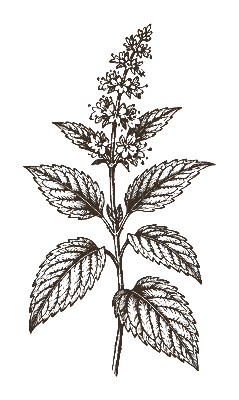
The plant hardly sets seed. Even so, it is grown all over the world.