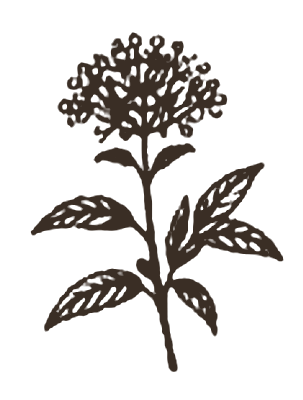
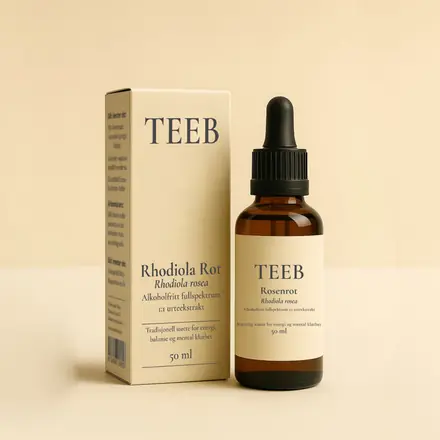
Rhodiola rosea · golden root · the rhizome and the root
In short
- Part used: the thick rhizome and the roots. The rhizome is a stem below ground, but is often called the root.
- Grows: wild in the mountains and along the coast in Norway, and in northern regions and mountains in Europe, Asia and North America. An important source of the traded material is Altai in Asia.
- Historical use: headache, hair wash, scurvy, wounds and swellings, fatigue and capacity for work, desire and fertility, urine, lungs and fever, stomach, food and protection against fire.
- Can be used for: symptoms of stress, such as fatigue and exhaustion, according to the EU.
- Main substances: rosavins, salidroside, tyrosol, tannins and an essential oil that smells of roses.
- The research: many studies, most of them small. The EU considers that they do not show enough. Many were done with the manufacturers’ own extracts.
- Suitable for: adults from 18 years, according to the EU and Canada. In Russia and Sweden from 12 years. Not for pregnant or breastfeeding women, or for people with bipolar disorder. Russian sources advise against it with high blood pressure, fever and agitation. Taken early in the day.